The Practical Guide to Rewilding Your Light (Without Moving into a Cave)
This post is adapted from Part 2 of my conversation with Rachel Hodgens on her podcast Weaving the Wild — Episode 150. You can listen to the full episode here.
In Part 1 of my conversation with Rachel, we went deep into the science of circadian biology — how light spectrums program your hormones, your mitochondria, and your cellular health.
But understanding the science is only half of the picture. And to be honest, it’s okay if you're not as lit up about the science as we are. You don’t have to be a biology nerd or physics-loving scientist to make the most of your circadian biology.
We live in a modern world of concrete office blocks, fluorescent lighting in our homes, shops and streets, and pocket-sized supercomputers that emit static blue light long after the sun has set.
So, how do we actually live in a circadian-aligned way in practice?
How do we rewild our light hygiene when we have bills to pay, Zoom calls to attend, and lives to live?
In Part 2 of our conversation, Rachel and I mapped out the practical, day-to-day strategies for circadian entrainment. Here are the simple, high-impact changes you can start making as soon as today — ranging from completely free lifestyle habits to strategic modern tools.
1. The Morning Protocol: Setting the Clock
Your body clock relies on morning light to understand what time of day it is and sets your hormonal cascade in motion. Morning blue light is the ‘clock setter’, so to speak.
The Sunrise Viewing: For our early birds, try to view the sunrise for at least three minutes. Do this outside with naked eyes (no contact lenses or glasses, as glass filters out key light frequencies) and bare feet on the earth to get the bonus grounding benefit of electron exchange. If your eyesight is poor, simply get to a safe spot outside before removing your glasses.
The UVA & UVB Windows: Use a simple app (like myCircadian or D-Minder) to check the UVA rise and UVB onset in your local area. Aim for 10 to 20 minutes of morning UVA exposure with bare skin and naked eyes to stimulate neurotransmitters like dopamine and serotonin, and even help manage blood sugar. When UVB is active, step outside to naturally synthesise Vitamin D. Remember: sitting next to a closed window does not count. Most glass, unfortunately, blocks the vital UVB frequencies your body needs to trigger this cascade. If you have no other option at this time of day, sitting near a window is better than not.
Waking Before the Sun: If you have to wake up in pitch darkness for early shifts, avoid turning on harsh overhead LED lights. This is a worthy time to invest in full-spectrum globes or a daylight lightbox that mimics the natural solar spectrum, helping you wake up without shocking your nervous system with artificial blue frequencies. Implement strategies like red lights or turning your phone screen red (which you can toggle on your iPhone using this instructional video), or red-lens blue-light blocking glasses, as though it were after sunset.
2. The Midday Shift: Surviving the Modern Office
Most office spaces are fitted with cool, fluorescent blue lights designed for one thing: keeping workers hyper-alert and productive. But a static “midday” light signal screaming at your brain for eight hours straight eventually depletes your nervous system.
The Free Hack: If you are stuck under office lighting, keep your skin covered during the early morning and late afternoon to prevent your skin's light sensors from receiving a mismatched “midday” signal.
The Outdoor Break: Step outside every 90 to 120 minutes, even if only for a five-minute coffee or ‘breather’ break. Let your eyes AND skin register the actual, dynamic light of the sky so your body clock can calibrate to the true time of day. Getting some sun on your face and your hands and forearms is sufficient — so roll up your sleeves and pop outside!
The Daytime Tool: If you work on screens all day, invest in a pair of yellow-lens blue-light blockers. These filter out the sharpest artificial blue spikes from screens and overhead lights without completely blocking the natural spectrum.
3. The Evening Transition: Easing into the Dark
Once the sun sets, your biology expects a dramatic shift. Before electricity, our only light sources were the moon, stars, and the warm, amber-red glow of firelight.
Kill the Overhead Lights: The single most powerful (and free) evening shift you can make is turning off all cool, overhead LED ceiling lights after sunset.
The Amber & Red Globe Shift: Swap out standard globes in your lamps for amber and red light globes. Use warm amber lighting (or salt lamps) in the early evening while eating dinner or winding down. Switch to pure red light globes in your bedroom for the hour before sleep. Red light contains zero blue frequencies, allowing your pineal gland to produce melatonin unhindered.
The “Single Candle” Rule: Nutrition researcher Deanna Minnich shared a brilliant reference point that I learned back in 2022: anything brighter than a single candle flame approximately one foot away from your face is enough to suppress melatonin. Assess your evening environment through this lens and bring the light levels down as close to a single candle flame as possible.
4. The Blue-Blocker Myth: Clear vs. Coloured Lenses
A lot of people wear clear “blue-light blocking” glasses and assume they are protected. But if your lenses are completely clear and you can still see the full colour spectrum, they are barely making a dent — usually blocking only 8% to 10% of blue light.
To actually protect your melatonin synthesis in the evening, you need coloured lenses:
Orange/Amber Lenses: Ideal for the early evening transition around sunset.
Red Lenses: These are the gold standard for nighttime. Putting on red-lens glasses after dark blocks 100% of the blue and green wavelengths that suppress melatonin. Most people will naturally begin to feel deeply sleepy within 30 minutes of putting them on. And try it for yourself — pop on the glasses and find a light in your home that’s overtly blue. Maybe it’s the gas cooker or a light on your kettle. It will totally disappear!
Yes, you might look a little bit silly wearing red glasses on an evening Zoom call or while watching a show. But as I often tell my patients: “modern problems require modern solutions.” If we are going to use modern technology after dark, we have to use modern tools to protect our ancient biology. And if the cost is looking a bit silly… is that really enough of a barrier to neglect your body’s needs?
5. Nighttime Content: What is Your Nervous System Consuming?
Circadian hygiene isn't just about the light hitting your eyes; it’s about the content hitting your brain.
Your little animal body does not know the difference between real and imagined stress. If you are watching a high-adrenaline thriller or listening to a true-crime podcast in bed, your brain registers threat. Your body responds by pumping out cortisol and adrenaline — completely halting the wind-down process, and potentially hindering melatonin that’s needed for a deep, nourishing, restorative sleep.
Keep your evening content light, warm, and restful. Opt for low-stakes books, gentle audiobooks, or comedy podcasts that signal safety to your nervous system. Or better yet, hop onto Insight Timer and try a Yoga Nidra, affirmations before bed or an evening meditation.
6. The Sunscreen & Sunglasses Nuance
In Australia, we have been taught a very rigid, black-and-white narrative about the sun. Because many of us have ancestral roots in Northern Europe, our skin is genetically unacclimatised to the intense Southern Hemisphere sun.
This is where nuance is essential. We must avoid burning, but we also must remember that we need sunlight.
Building a “Solar Callus”: Instead of staying indoors all winter and then shocking your skin with intense beach sun in December, gradually graduate your sun exposure. Start in early spring, spending at least 20 minutes a day in the mid-morning sun without sunscreen or sunglasses. This slow, consistent exposure allows your skin to build melanin and prepare its own natural protective mechanisms.
The Eye-Skin Connection: When you wear sunglasses, your eyes signal to your brain that it is dim or dark outside, while your bare skin is getting hit with intense UV rays. This mismatch impairs your skin's ability to produce urocanic acid — a natural compound that helps protect skin against sun damage.
Responsible Sun Protection: If you are going to be out in the harsh midday summer sun for hours, protection is necessary. Cover up with breathable, full-bodied clothing, wear a hat, and seek the natural, evaporative shade of trees. If you use sunscreen, choose a natural, mineral-based formula (zinc-based) rather than a chemical one, which can disrupt your endocrine system and damage our oceans.
The Modern Seesaw
If you care about your health in 2026, you are constantly balancing modernity and convenience with your biological needs.
It can feel inconvenient to step outside for a morning walk, turn off the overhead lights, or wear red-lens glasses at night. But that small bit of unconventionality is the exact doorway to deeper sleep, balanced hormones, and sustained energy.
The sun is a natural, ancient invitation. Let it call you back outside.
Ready to Go Deeper? Join Our Masterclass!
If this conversation sparked your curiosity, my colleague Julie Forrester and I are hosting a live, highly scientific, yet deeply practical masterclass: Returning to Our Natural Rhythm: Circadian Rhythm, Sunlight & Darkness for Whole Body Health
When: Live on July 2nd, 2026 (with a full replay sent out to all registrants)
We go far beyond basic sleep hygiene to map out how light and dark cycles regulate mitochondrial function, gut microbiome, and sex hormones like progesterone and cortisol. You'll learn the difference between making Vitamin D and taking a supplement, how to build a protective solar callus, and how to set a sunrise-to-bedtime protocol to align your daily environment with your biology.
Whether you are a practitioner looking for zero-cost clinical tools to improve your patient outcomes, a student (naturopathy, nutrition, health science), or your own health advocate, this masterclass will show you how to use your daily light environment as medicine.
About the author
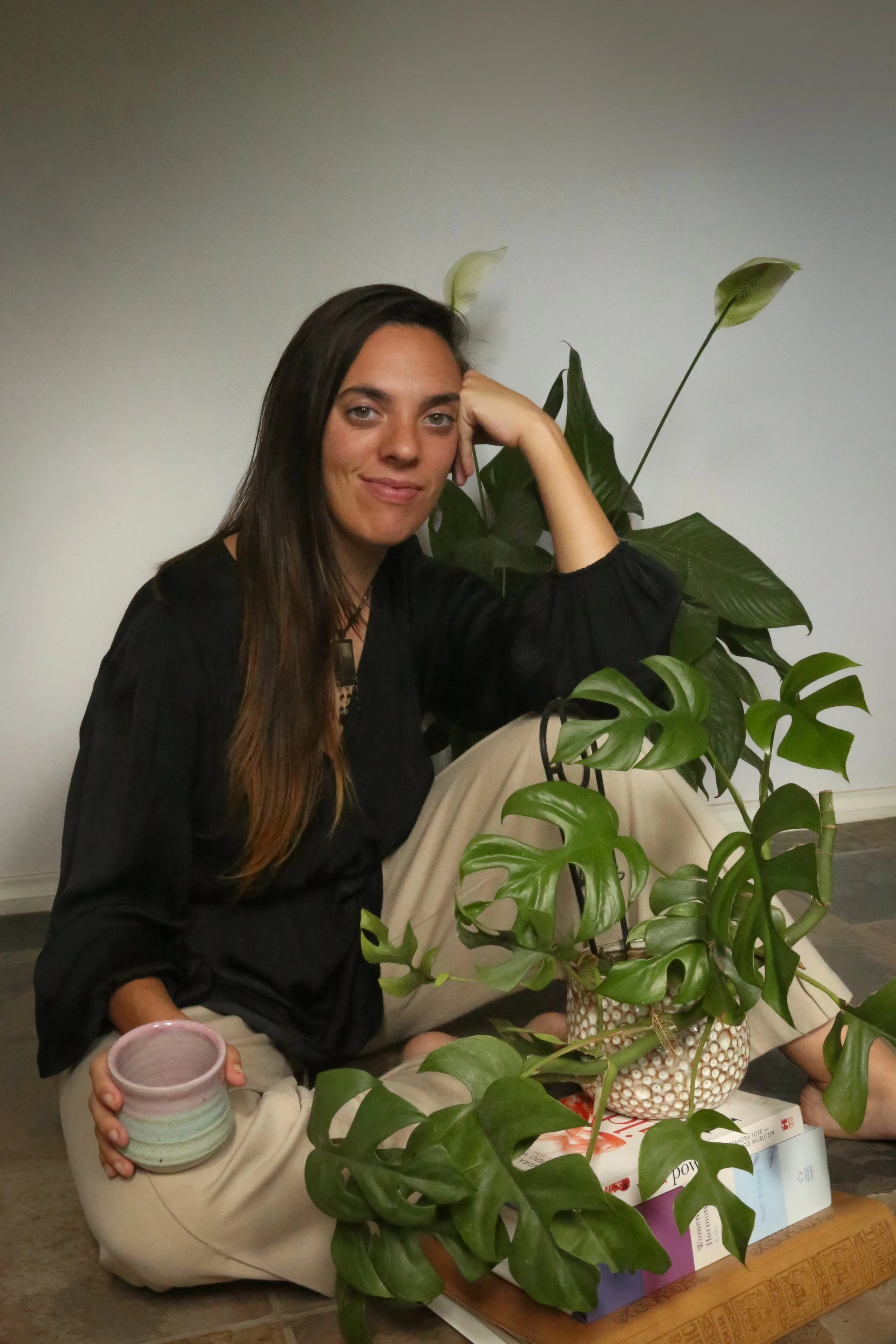
Karinda John is a Naturopath (BHSc) and Fertility Awareness Teacher specialising in women's hormonal health. She works with women who are tired of being told their symptoms are normal, helping them understand what their cycle is actually communicating and building the foundations for genuine hormonal balance through functional testing, personalised naturopathic medicine, and body literacy education. She runs the Harmonised Hormones program and is the creator of the free Cycle Tracking Guide.
*This blog post is for educational purposes and does not constitute personalised medical advice. If you have concerns about your health, please seek support from a qualified healthcare practitioner.*
Also on the blog:
What Light Is Actually Doing to Your Hormones (And Why It's More Important Than Any Supplement) — a summary of Part 1 from my circadian conversation with Rachel on Weaving the Wild
What does the name change of PCOS mean? (PCOS is now PMOS)