

Is my period normal? Menstrual Cycles 101: How to tell if you have a healthy period
6th March 2026 | Written By Karinda
What is a normal period?
A normal menstrual cycle usually occurs every 21–35 days, includes ovulation, and involves 2–7 days of bleeding. Periods should not be extremely painful, excessively heavy, or highly irregular.
Is My Period Normal? Quick Answer
A normal menstrual cycle typically has these characteristics:
Occurs every 21–35 days
Bleeding lasts 2–7 days
Ovulation occurs each cycle
Flow is manageable without flooding
Symptoms like mild cramps or breast tenderness may occur
Periods that are extremely painful, very heavy, highly irregular, or absent may indicate hormonal imbalance and warrant further investigation.
Normal vs Not Normal: How to Tell If Your Period Is Healthy
| Cycle Feature | Typically Normal | May Need Investigation |
|---|---|---|
| Cycle length | 21–35 days between periods | Consistently shorter than 21 days or longer than 35 days |
| Period length | Bleeding lasting 2–7 days | Bleeding longer than 7 days |
| Pain | Mild cramping in the abdomen or pelvis | Severe pain, stabbing pain, vomiting, dizziness or fainting |
| Clots | Small clots on heavy days (≤20c coin) | Large clots larger than a 20c coin or golf ball sized clots |
| Flow | Moderate flow that doesn’t disrupt daily life | Flooding, leaking through clothing or changing products every 1–2 hours |
| PMS symptoms | Mild mood changes, cravings or breast tenderness | Symptoms that significantly affect work, relationships or daily life |
| Cycle regularity | Cycle varies by 1–3 days | Frequent missed periods or unpredictable cycles |
If you notice several symptoms from the “may need investigation” column, your hormones or menstrual cycle may benefit from support.
To learn more, try:
Or continue reading on for an in-depth guide to understanding normal periods, healthy cycles and symptoms to be aware of.
Key summary
A normal menstrual cycle is 21–35 days, includes ovulation, and has 2–7 days of bleeding.
A healthy period should not be excessively painful, extremely heavy, irregular, or unpredictable.
This guide explains cycle length, flow, symptoms, spotting, PMS, ovulation, and when your period may signal hormonal imbalance — plus how to understand what your body is trying to tell you.
Table of Contents
- Overview of the Menstrual Cycle
- What Is a Normal Menstrual Cycle?
- How to Tell If You’re Ovulating
- Top “Is My Period Normal?” Questions
- Flow, Clots, Colours & Symptoms
- Pain, PMS & What’s Normal?
- When Your Period Isn’t Normal
- Is My Period Normal Quiz
- How Your Cycle Changes Throughout Life
- How to Track Your Cycle
- What Your Cycle Says About Your Hormones
- Take the Hormone Quiz
- When to Seek Support
- Frequently Asked Questions
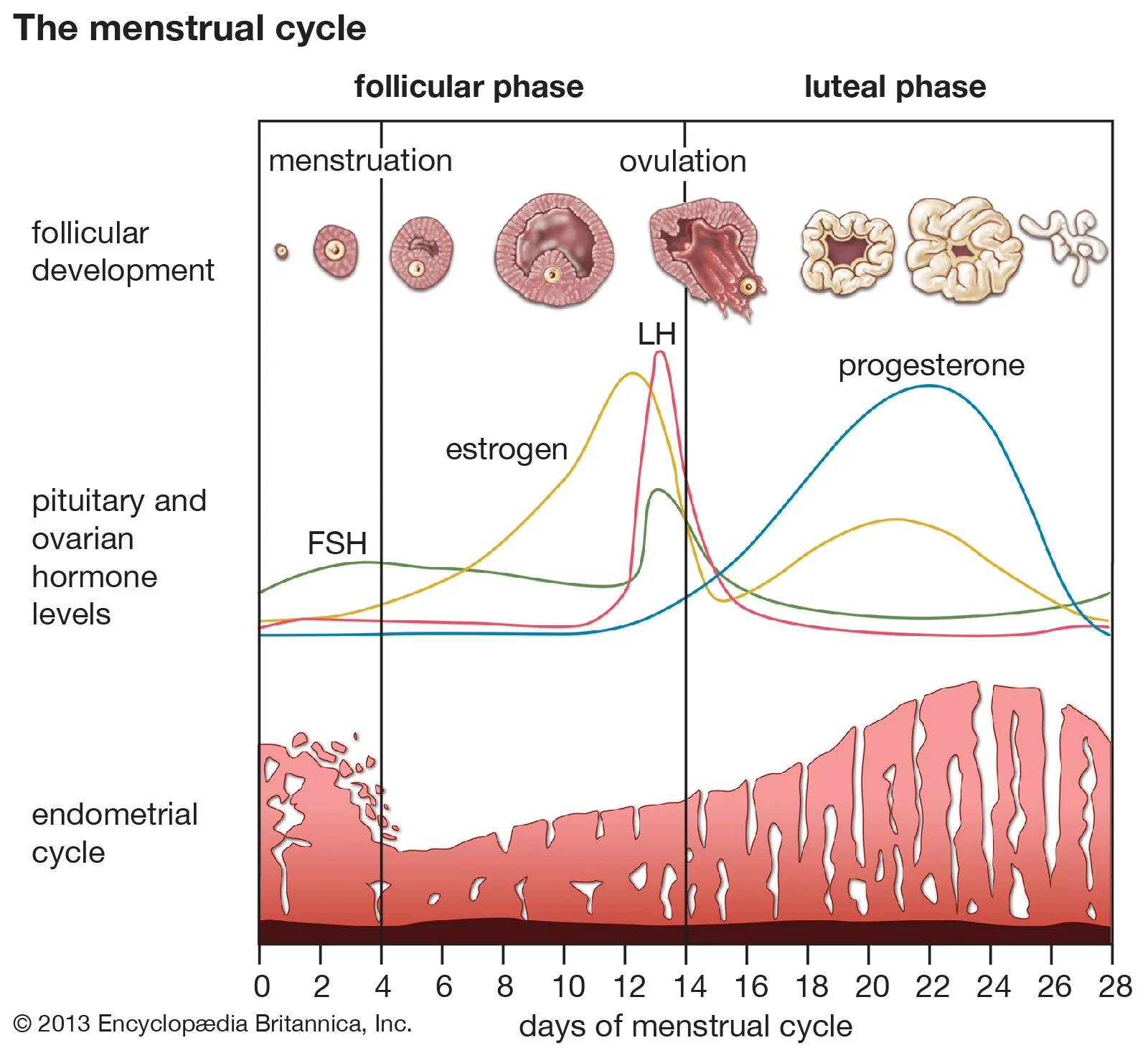
Menstrual Cycle Overview
A visual overview of an average menstrual cycle. The cycle starts with the first day of full flow bleeding, caused by a drop in hormones that triggers the shedding of your uterine lining. Early in your cycle, in your Follicular Phase, your hormones gradually build up and follciles within your ovaries are stimulated to grow and mature. When hormones are at the right levels across your brain and ovaries, ovulation will occur. Ovulation is the release of an egg cell from one of your ovaries. A menstrual period occurs approximately 2 weeks after ovulation.
Is my period normal?
Most women, at some point, quietly wonder, “Is my period normal?”
It’s one of the most common questions typed into Google — and for good reason. I’ve been checking what we’re all asking Google, gals!
Your menstrual cycle is your monthly health report card. It reflects how your hormones, stress levels, lifestyle, nutrition, and overall wellbeing are tracking.
In this guide, you’ll find clear, simple answers to the most searched “is my period normal?” questions on the internet — written to help you understand what normal truly means, and when your body may be asking for support.
What Is a Normal Menstrual Cycle?
A “normal” menstrual cycle isn’t a single number — it’s a range.
Every woman’s cycle is unique, and your own “normal” can shift through different seasons of life.
Your menstrual cycle is such a strong indicator of health & responder to your environment, that it will fluctuate based on inflammation, stress levels, illness, time zone changes, life changes, transitions & emotional events.
A healthy menstrual cycle generally looks like this:
Cycle length: 21–35 days
Consistency in your own cycle is more important than the actual cycle length
Your cycle is the length of time from when your bleed starts until the day before your next bleed begins.
Day 1 of your menstrual cycle is the first day of full flow bleeding, not spotting
Bleeding duration: 2–7 days
Bleeding pattern: starts heavier, ends lighter
Flow Volume: Generally 30-40 mL (6-8 teaspoons), though this varies widely.
Up to 80mL of menstrual fluid, including blood, is normal to lose in one period
Consistency: While not every period is exactly the same, they should generally follow a similar pattern. Menstrual fluid is generally slightly thicker than water. Tt’s normal to include some mucus, tissue and small clots. It should flow easily, steadily, with minimal clotting, flooding or pain.
Bleeding colour: variations of bright red, may start or end more brown
Ovulation: occurs once per cycle, 11 to 17 days before your period
Symptoms: mild cramps, mood shifts, breast tenderness
Symptoms are also clues about what hormonal changes are occurring in your body
Checklists are great, but here’s the truth:
It’s absolutely normal for your period to vary slightly from month to month.
Ovulation is the key event of your menstrual cycle that will cause variations
How to Tell If You’re Ovulating (The True Anchor of a Healthy Cycle)
Ovulation — not bleeding — is the main event of your menstrual cycle.
Ovulation is the release of an egg cell from one of your ovaries, and normally occurs once per cycle. It requires synchronised communication and hormonal regulation between your brain and your ovaries.
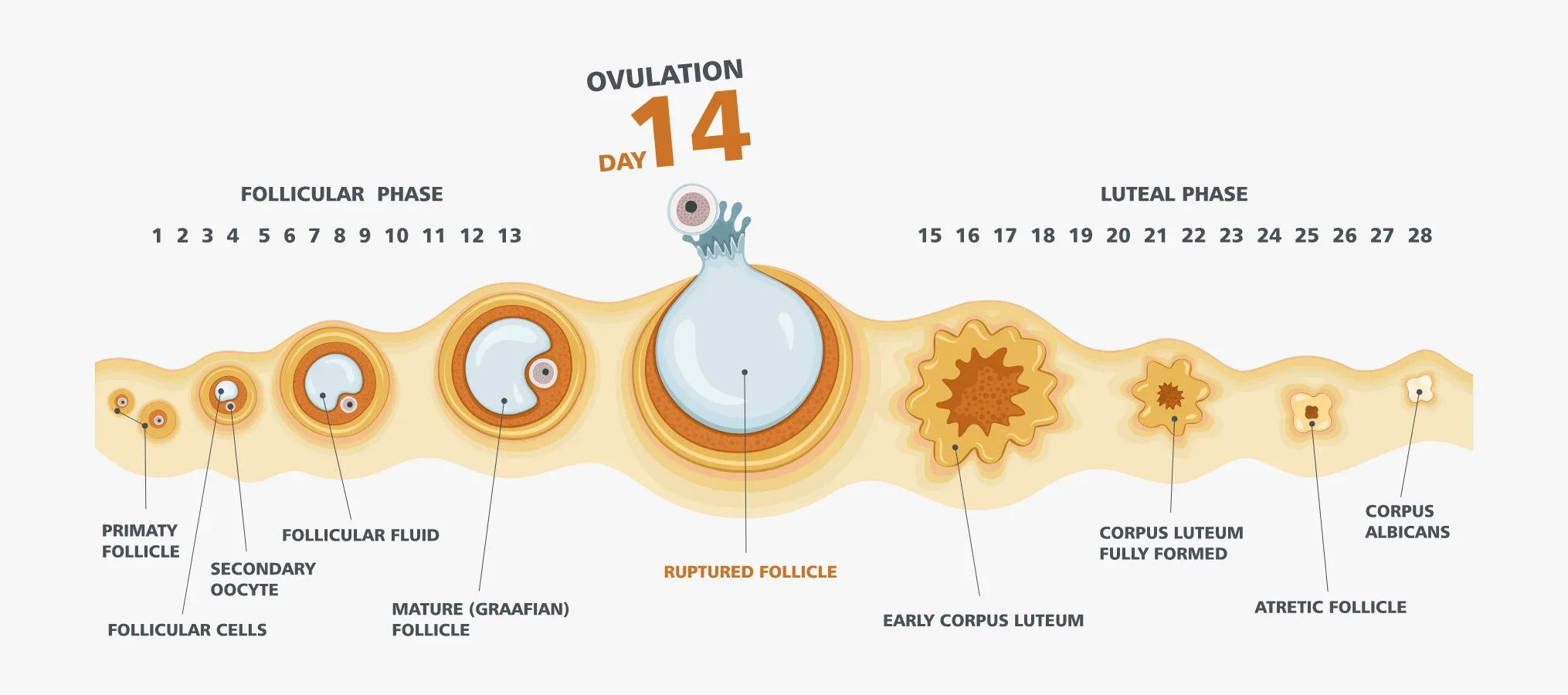
A visual depiction of where ovulation occurs in your menstrual cycle. Ovulation typically occurs in the middle of your cycle, in the follicular phase. After ovulation, your luteal phase begins. Ovulation will not always occur on Day 14 of your cycle. Source.
Your period will arrive 11 to 17 days after ovulation, unless pregnancy has occurred.
If you’re not ovulating consistently, your period may arrive earlier, later, or not at all.
Signs you’re likely ovulating:
A clear rise in basal body temperature
As measured by a specific basal body thermometer, including the wearable TempDrop thermometer
Ovulation pain or twinges
Ovulation pain is sometimes referred to as “Mittleschmerz”, translating loosely to “middle pain” in German
Ovulation pain is likely caused by the rupturing of an ovarian follicle, which allows the egg cell to be released into the fallopian tube
Clear, stretchy “egg white” cervical mucus
You may notice this as discharge in your underwear or when wiping after using the toilet
Positive results on an LH urine test strip, also called Ovulation Predictor Kits (OPKs)
Less reliable signs that are commonly associated with ovulation include:
Increased libido
Change in mood or energy
If you rarely notice these signs, it’s worth exploring deeper — especially if your period feels unpredictable.
Important notes:
Basal body temperature confirms that ovulation occurred. It cannot pinpoint exactly when you ovulated
Cervical mucus production suggests your body is getting ready to ovulate, as your cervical cells respond to rising levels of the hormone oestrogen. It does not confirm ovulation
A positive OPK result does not confirm ovulation, but indicates that your brain hormone, LH, is surging at high enough levels that is required to trigger ovulation.
→ Download the Free Cycle Tracking Guide to start tracking your period, symptoms and start understanding your cycle patterns immediately. It’s an easy to follow 25-page PDF.
→ Get instant access to my 1 hour All About Ovulation Masterclass in the Cycle Power Bundle for $27.
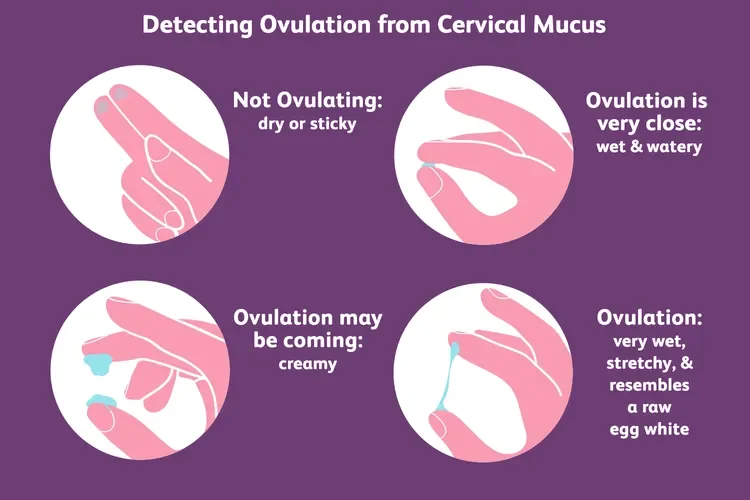
This is a simple visual depiction of what your cervical mucus may look and feel like depending on how close you are to ovulation. Source.
→ I recorded an entire episode of the Oh My Menses podcast dedicated to explaining what cervical mucus is, and what different kinds of cervical mucus mean. Watch or listen here.
Top “Is My Period Normal?” Questions
Below are the exact questions people ask online — answered simply, clearly, and with nuance. These are also the questions most of my female patients ask in our online naturopathy consults.
Because I’m a women’s health naturopath, I can’t help but give nuanced, detailed answers!
Is my period normal if it's only 2 days long?
Yes — for many women, 2–3 day periods are completely normal. It’s more about consistency than length.
It may be normal if:
It’s always been this way
The flow is steady while it lasts
The colour of the flow is closer to a bright red, rather than pale or dark
You ovulate regularly
Worth checking if:
It suddenly shortens
You’re skipping ovulation
You’re under high stress or have rapid weight changes
What can cause a light period?
Low oestrogen levels
Low progesterone levels
Not ovulating before the bleed
Obstructions within the cervix or vagina
Is my period normal if it lasts more than 7 days?
Menorrhagia is the medical term for heavy menstrual bleeding.
Bleeding longer than 7 days can still be normal for some women — but it’s less typical.
Check in with your body if it is:
A sudden change
Accompanied by fatigue or flooding
Causing iron deficiency symptoms, such as dizziness, fainting, pale skin, poor circulation.
What causes a long or heavy period?
High oestrogen levels
Oestrogen metabolites not being cleared efficiently enough by your liver, kidneys or digestive tract
Inflammation
Low progesterone
Fibroids or cysts
Adenomyosis
Is my period normal if it’s late?
A late period is extremely common and usually not a red flag.
However, there is some nuance to unpack around what a late period actually is.
A period will always arrive 11 to 17 days after ovulation, unless pregnancy has occurred.
If your cycle is longer than usual, this is caused by a delay in ovulation that has occurred approximately 2 weeks before your period is even due.
It is also possible that you experienced an anovulatory cycle, which means you didn’t ovulate and bleeding may be unpredictable.
Menstruation that occurs less frequently than every 35 days is called oligomenorrhoea.
Common causes of a late period include:
Stress (the #1 disruptor)
Travel or routine change
Illness
Poor sleep
Weight gain/loss
Intense exercise
The luteal phase being shorter or irregular
Usually caused by low progesterone
The follicular phase being longer due to the above factors
Delayed ovulation lengthens the follicular phase
Conditions associated with late periods and delayed ovulation:
Polycystic Ovarian Syndrome (PCOS)
Uterine fibroids
Ovarian cysts
If pregnancy is a possibility, test first. There are many over-the-counter options for urine test kits that you can complete at home, or you can head to your local doctor for a hcG test.
Is it normal for your period to come twice in one month?
It can be — especially if you have a naturally short cycle (around 21–24 days). You might bleed on the 1st and again on the 25th, for example.
The medical term for periods that come more frequently than every 21 days is called polymenorrhoea.
Possible reasons for a more frequent period include:
Anovulatory cycles (meaning a cycle where you didn’t ovulate)
Hormone fluctuations
Perimenopause
Coming off hormonal birth control
Is it normal if your period comes early?
Yes — a variation of a few days is perfectly normal. Your cycle reacts quickly to lifestyle changes.
However, consistent early periods may suggest:
A short follicular phase
Anovulatory cycles
Thyroid gland shifts
Pituitary gland issues
Chronic stress
Low progesterone
Is it normal for my cycle length to vary?
Yes, it’s normal for your cycle length to vary. A difference of 2–5 days from month to month is very normal.
When variation becomes concerning:
Your cycle swings widely each month (e.g. 25 days → 40 days → 32 days)
You regularly skip periods
Ovulation (and periods) seems unpredictable
→ Be sure to get your FREE Cycle Tracking Guide to start tracking today & understand what your cycle & period is telling you
Is it normal to miss a period?
It can be normal occasionally — especially due to stress or lifestyle changes.
A missed period usually hints at anovulation (not ovulating between bleeding)
But frequently missed periods may indicate:
Under-eating or over-training
PCOS
Perimenopause
Thyroid imbalances
Post-pill hormone recalibration
Relevant podcast episodes:
Is it normal to not ovulate every month?
Common, but not normal. Occasional anovulatory cycles happen to everyone. The average woman may experience 1 or 2 anovulatory cycles every year.
Remember that not ovulating is a signal from your body that something is off. Your menstrual cycle is your in-built oracle. If something is off in your cycle, it’s reflecting something about your environment or health.
Not normal:
Regularly missing ovulation (more than twice a year)
Long, unpredictable cycles
Periods more than 35 days apart
Very heavy or very light bleeds
Acne, hair changes, or low libido accompanying cycle changes
Is my period coming?
It’s common to experience some signs that indicate your period is due.
This may include mild abdominal cramping, appetite changes, bloating, breast tenderness and mood changes.
Is my period late or am I pregnant?
It can be hard to tell if your period is late or if you’re pregnant as sometimes the signs of both can be similar.
Some early signs of pregnancy include:
A second rise in your basal body temperature, after the initial rise that occurs post-ovulation
If you noticed implantation bleeding approximately 1 week after ovulation
If you confirmed ovulation more than 17 days ago
Changes to urination urgency and frequency
Painful or tender breasts
Tracking your cycle, including confirming ovulation, is the best way to accurately determine your chance of being pregnant or your period being late. When ovulation is late, your period will be later.
→ Get started with my FREE Cycle Tracking Guide PDF Download here
→ Dive deeper into how important ovulation is & how to track it in my All About Ovulation Masterclass, included inside the Cycle Power Bundle alongside 20 other resources to unlock the power of your menstrual cycle
Flow, Clots, Colours & Symptoms
Your menstrual flow, presence and size of clots, the colour of your menstruation and symptoms that accompany your period can tell you a lot about what your body is communicating.
Is my period normal if it’s very heavy?
Heavier flow is normal for many women — especially in the first 24–48 hours of your period.
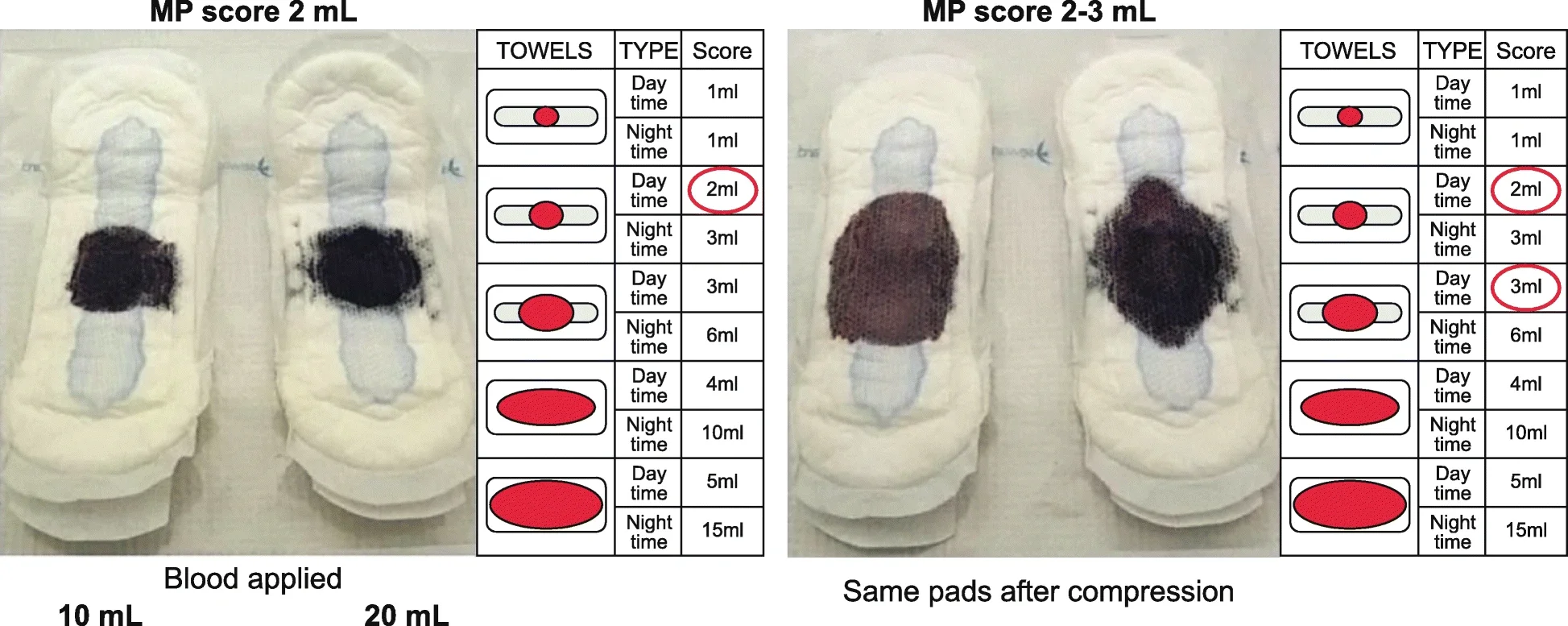
The classification of a heavy menstrual bleed changed in 2023 to refer to any amount of menstrual bleeding that impacts your quality of life. For example, you may avoid leaving the house on heavy days, unintentionally leak through clothing, avoid certain activities or feel distressed about the amount of blood you’re losing.
If you use a menstrual cup or disc with millilitre markings, you may observe if you’re losing more than 80mL of menstrual fluid each cycle. This is a sign your period may be heavier than optimal.
Heavy menstrual bleeding is referred to as menorrhagia.
Seek support if:
You soak a pad or tampon in less than 2 hours
You overflow a menstrual cup or disc in less than 2 hours
You’re leaking through your period undies in less than 2 hours
You need double protection throughout the day or overnight (e.g. inserting a super tampon and having a heavy or regular pad underneath)
You wake during the night to change menstrual products
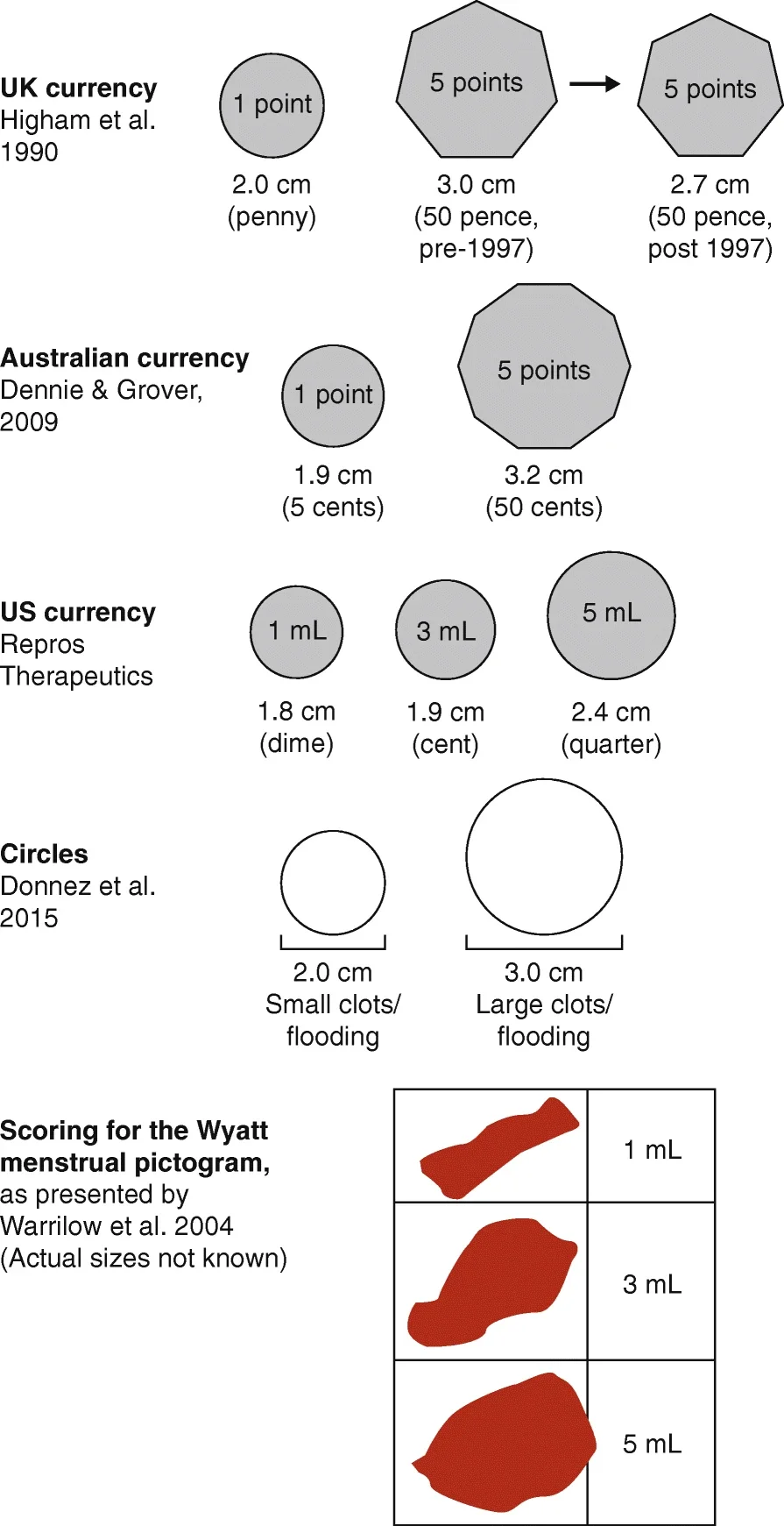
You pass large clots (bigger than an Australian 20c coin piece)
You experience menstrual flooding
You feel dizzy or fatigued
You feel nauseous during your period
It is common to experience heavier bleeding after the insertion of an IUD, especially a copper IUD.
Is my period normal if it’s very light?
Light periods are common with:
Hormonal birth control
Including the first few bleeds you experience after stopping hormonal birth control
Stress
Hyperthyroidism
Low body fat
Perimenopause
Nutrient deficiencies
Insufficient oestrogen production
If your flow suddenly becomes lighter with no clear reason, track for a few cycles, including ovulation tracking. If you’re not ovulating, that will be the first thing to address to regulate your periods.
Are clots during your period normal?
Small clots (pea-to-10c coin size) are normal, especially on heavier days of your period.
Clots become less typical when:
They’re larger than a 20c coin [Australian]
They occur all cycle long (i.e. for more than 3 days of your bleed)
They accompany significant pain, dizziness or nausea
Clots during your period may indicate:
Higher levels of inflammation
Excess oestrogen levels
Menstrual clots may be associated with:
Uterine fibroids
Ovarian cysts
Endometriosis
Adenomyosis
Is brown period blood normal?
Brown blood simply means older blood. This is especially common at the start or end of your period.
If you frequently experience brown menstrual blood or it lasts for more than 3 days of your cycle, this may suggest your uterus is struggling to completely shed the top layer of your uterine lining (the endometrium).
Circulation boosting exercises and pelvic massage may help improve the release of your menstrual fluid.
Relevant podcast episodes about periods you can watch or listen to:
Is spotting between periods normal?
Spotting, very light bleeding, can be normal between periods.
It will be different from your regular period as it’s much lighter and often doesn’t require more than a thin liner.
Spotting can be normal:
At ovulation
1-2 days before your period starts
1-2 days at the end of your period
A phenomenon called implantation bleeding may also appear as spotting. This is light bleeding that occurs if an egg has been fertilised and has implanted into your uterine lining. This will usually occur 5-12 days after ovulation and may be an early sign of pregnancy.
Spotting that:
Occurs for more than 2 days between periods
Occurs for more than 2 days before your period
Happens outside of ovulation
Comes with severe pain, cramping, nausea or digestive discomfort
is not normal and should be investigated further.
Is my period supposed to smell?
Naturally, being a bodily fluid, your period will have some smell to it.
The normal scent of a period includes:
Iron, metallic or mineral-like scent
A natural smell that is not offensive
Menstrual fluid soaking in pads, tampons or period undies will become stronger in smell the longer they are left without changing.
Abnormal scents for your period include:
Fishy smell
‘Off’ smell
Sulphur-like smell
Strong, pungent, offensive
If your period is accompanied by vulva, vaginal or anal itching, burning, redness or pain, there may be an imbalance in your vulvo-vaginal microbiome. This can occur with conditions such as thrush (candidiasis), bacterial vaginosis or bacterial vaginitis. Speak to your doctor or naturopath about vaginal microbiome testing to identify the cause of your abnormal smelling period.
Questions about Period Pain, PMS & what’s normal?
Is period pain normal?
Mild cramps during menstruation is normal. The cramping sensation is caused by your uterine muscle contracting and relaxing in order to shed the uterine lining (endometrium).
Women who I help in my online naturopathy clinic often report period pain to feel:
Stabbing pain
Dull
Achey
Twisting
Pulling or dragging
These are all kinds of pain that are common but not necessarily normal to experience during your bleed.
Where can you feel period pain in the body?
Your lower abdomen, around or below the belly button
Around your vulva or vagina
In your low back
In some women, period pain can refer down to your thighs, labia, rectum and anus.
Pain that makes you:
Miss work
Take frequent pain medication
Struggle to function
Causes nausea or vomiting
Affects your ability to breathe deeply
…is not normal, even if it’s common.
This intense pain reflects higher levels of inflammation or immune dysregulation, associated with conditions such as endometriosis & adenomyosis, and may require a root-cause approach to resolve in the long term.
Relevant podcast episodes:
What are normal premenstrual symptoms?
Before your period, it is normal to experience some mild symptoms as your hormone profile changes.
Both progesterone and oestrogen will drop in the days leading up to your period.
This can cause:
Mood changes
Breast tenderness
Appetite changes
Changes to digestion
Skin changes, including acne flares or breakouts
Libido changes
Feeling more bloated
It’s important to track your symptoms across your whole cycle, and to confirm if ovulation is happening prior to your PMS symptoms, to understand what’s really happening.
Is severe PMS normal?
Severe PMS is common, but not normal.
While mood shifts and breast tenderness are common, PMS that disrupts your life is a sign your hormones may be out of balance.
Start keeping track of symptoms (you can use my free Cycle Tracking Guide if you’re not sure where to start) that occur in the 1-2 weeks before your period, including:
Mood changes, including sadness, anger, depression, low motivation
Breast pain and tenderness
Insomnia
Pelvic pain
Acne or skin changes
Appetite changes
Social changes, including feeling more withdrawn and introverted
→ Inside the $27 Cycle Power Bundle, you’ll find a symptom tracking template (perfect for monitoring PMS), the full No Stress PMS eBook (to understand what’s driving your PMS) & my Learning to Love Your Luteal Phase Guide
Some podcast episodes you might find helpful if you experience PMS:
Is the period flu normal?
Some women feel they get sick before or during their period.
Because your hormones can change how sensitive your immune system is, your likelihood of developing a cold or flu is increased during the second half of your cycle, your luteal phase.
During your period, some key hormones that influence your mood, energy levels, metabolism and brain function are at their lowest. This can result in feeling flat with low motivation, low energy and more fatigue.
Some women also experience achey joints, headaches or migraines during their period.
It is important to slow down as much as possible and rest during your period, especially the heaviest days, to account for this hormonal change.
If you experience fever, sweating, muscle pain alongside a sore throat, coughing, ear or sinus pain, you may have an infection alongside your period, Seek medical advice if symptoms persist beyond 48 hours.
When Your Period Is Not Normal
While variation is normal, the following are signs to look deeper:
Bleeding longer than 7 days
Periods occurring more frequently than every 21 days
Periods occurring less frequently than every 35 days
Needing to change menstrual products every 1–2 hours
No period for 3+ months (and you’ve confirmed you’re not pregnant)
Severe period pain
Severe ovulation pain
Pain or bleeding during or after intercourse
Consistently irregular cycles
New symptoms that don’t resolve
Not ovulating consistently
Your menstrual cycle is a feedback loop — these symptoms are your body speaking to you.
Wondering if your cycle is healthy?
→ Take the 2-minute Period Quiz below to discover what your menstrual cycle may be trying to tell you.
How Your Cycle Changes Throughout Life
Your cycle naturally shifts as you move through different hormonal seasons.
Teens
A girl will likely experience her first period, called menarche, between the ages of 10 and 15.
Irregular cycles are very common as ovulation stabilises in teenage females. However, this is often where symptoms can start to develop and worsen over time if not addressed.
Severe pain, irregularity (frequent or absent periods) and heaviness should not be overlooked.
It’s common for many young women to be prescribed the pill or Mirena IUD at this stage of life. The pill does not fix the root cause of the symptoms, instead it just masks them.
I’ve helped many teenage girls come off the pill, identify and treat the root cause of their hormonal symptoms and period problems. If you or your daughter is experiencing concerning menstrual symptoms, you can book a free Connection Call with me to explore what may be going on, and how naturopathy could support.
20s–30s
As women mature and pass puberty, cycles usually become more consistent and regular.
Stress, pregnancies, breastfeeding, birth control, and lifestyle shifts influence cycle patterns.
Women may notice changes to their cycle after coming off hormonal birth control, especially if they have been using it for many years. If your cycle doesn’t regulate within 3 months after stopping the hormonal birth control, that’s a good cue to seek professional support.
40s (Perimenopause)
Hormonal patterns can change drastically in the years leading up the menopause, called perimenopause.
This causes changes to the menstrual cycle. Cycles may shorten, lengthen, or vary. Periods may get heavier or lighter. Symptoms often intensify before they settle after menopause.
The perimenopausal phase will often highlight imbalances in your hormones, including oestrogen excesses and progesterone deficiencies, stress resilience, insulin resistance and other metabolic hints. It’s a great time to optimise your hormonal health to reduce symptoms and make the transition into menopause as smooth as possible.
Women may also experience regular and consistent cycles up until their last period before entering menopause.
How to Track Your Cycle (essential for understanding your “normal”)
Cycle tracking helps you see patterns, spot imbalances early, and understand your hormone rhythm.
→ Download my free Cycle Tracking Guide PDF to start tracking your cycle thoroughly, including cycle chart examples from apps I recommend, a menstrual cycle summary guide & ovulation insights.
Track:
First day of period
Length of cycle
Flow & heaviness
Ovulation signs
Pain, mood, energy shifts
Premenstrual symptoms
→ Check out my Cycle Tracking 101 podcast episode over on the Oh My Menses podcast.
Take a peek below at the previews from my 25-page Cycle Tracking Guide downloadable PDF. Free & instant access!


What Your Period Says About Your Hormones
Your bleed as well as your entire menstrual cycle reflects the hormonal dance between:
Estrogen
Progesterone
Testosterone
LH & FSH
Cortisol
DHEA
Thyroid hormones
Changes in your cycle often reflect changes in one (or several) of these hormones.
Your menstrual cycle is one of the most powerful indicators of hormonal health. Different period patterns can point to specific hormonal imbalances.
Short cycles (under 24 days)
May suggest:
Low progesterone
Short luteal phase
Stress affecting ovulation
Heavy bleeding
Often linked to:
Oestrogen dominance
Inflammation
Iron metabolism issues
Fibroids or endometriosis
Very light periods
May indicate:
Low oestrogen
Nutrient deficiencies
Anovulatory cycles
Spotting before your period
Commonly associated with:
Progesterone deficiency
Luteal phase insufficiency
Understanding these patterns can help you identify which hormonal pathways may need support.
→ This is exactly what the Hormone Quiz helps uncover. Take my quick Hormone Quiz to learn what your dominant hormonal imbalance is.
A functional, holistic approach can identify the root cause if symptoms are concerning or worsening over time.
→ If your symptoms feel deeper or long-term, explore my 3-month Harmonised Hormones journey for personalised, root-cause support.
When to Seek Support
You deserve support if your cycle feels:
Confusing
Unpredictable
Painful
Emotionally overwhelming
Completely out of sync with your life
Your cycle is a vital sign — and you don’t have to interpret it alone.
If your periods feel ‘not normal’, let’s explore what your body is trying to tell you.
I specifically help women experiencing all sorts of menstrual irregularities including:
Endometriosis
Premenstrual Dysphoric Disorder (PMDD)
Irregular cycles after coming off the pill
Improving hormonal health for fertility support, any TTC journey or before falling pregnant
→ You can book in for your free Connection Call here if you’re ready for high-level, evidence-based, nature-informed medicine for your menstrual cycle & hormones.
→ If you want to learn how to track, nourish and balance your cycle yourself, the Cycle Power Bundle will guide you step-by-step.
If you’re still wondering “Is my period normal?”, your symptoms may hold important clues.
Take the Hormone Quiz to discover:
which hormone may be driving your symptoms
what your cycle pattern means
how to start supporting your hormones
Frequently Asked Questions About Periods
Questions about the menstrual cycle & timing
What is considered a normal menstrual cycle?
A normal menstrual cycle occurs every 21–35 days.
How many days between periods is normal?
21–35 days between periods is considered normal.
How long should a period last?
A normal period lasts anywhere from 2–7 days.
What symptoms can be normal during a period?
Mild cramping, pelvic or abdominal bloating, and energy or mood changes are common during menstruation.
Can normal periods vary from person to person?
Yes. Not every person will experience the exact same qualities of their period.
What can cause irregular periods?
The most common causes include stress, illness, travel, time zone changes and thyroid issues. Conditions like endometriosis, adenomyosis, Pelvic Inflammatory Disease (PID) and Polycystic Ovarian Syndrome (PCOS) can also affect cycle regularity.
When should I be worried about my period?
Signs your period may need support include severe pain, bleeding longer than 7 days, flooding, clots larger than a 20-cent coin, or symptoms like dizziness, nausea, fainting or vomiting.
Is my period normal if it's only 2 days long?
Two days of full flow followed by 1–2 days of spotting can still be considered normal.
Is my period normal if it lasts more than 7 days?
Bleeding longer than 7 days may suggest hormonal imbalance and should be investigated.
Is my period normal if it’s late?
A later than expected period can occur if ovulation happens later. Stress, illness and travel are common reasons ovulation may be delayed.
Is it normal for your period to come twice in one month?
If your cycles are short (around 21 days), it is possible to experience two periods within one calendar month. Confirming ovulation about two weeks before your bleed helps determine if it was a true menstrual cycle.
Is it normal if your period is early?
If your cycle consistently occurs every 21–25 days this can be normal. If your cycle is usually longer and suddenly becomes shorter, further investigation may be helpful.
Is it normal if my cycle length varies?
It’s normal for menstrual cycles to vary slightly from month to month. Variations of 1–3 days are considered normal.
Is it normal to miss a period?
Occasional anovulatory cycles can occur and may result in a missed period once or twice per year. If you miss more than two periods per year, or pregnancy is possible, seek medical advice.
Is it normal to not ovulate every month?
Anovulatory cycles may happen once or twice per year. Frequent missed ovulation or periods should be assessed by a health professional.
Questions about menstrual flow & symptoms
Is my period normal if it’s very heavy?
A heavy period is defined as bleeding that negatively impacts your quality of life. Bleeding longer than 7 days, flooding, leaking through clothes, or needing to change products every 2 hours may indicate heavy menstrual bleeding.
Heavy bleeding is associated with inflammation, oestrogen excess or sensitivity, progesterone resistance, endometriosis, adenomyosis, fibroids and iron metabolism issues.
Is my period normal if it’s very light?
Periods lasting fewer than two days of bleeding are considered very light. If this is a new change, it may be worth seeking support.
Light bleeding can be associated with anaemia, iron deficiency, low hormone levels or anovulation.
Is clotting normal during your period?
Small clots on the heaviest days of bleeding can be normal if they are smaller than a 20-cent coin.
Larger clots, or clots associated with severe pain, nausea or dizziness should be investigated.
Is spotting before your period normal?
Spotting is very light bleeding, usually brown in colour. One to two days of spotting before a period can be normal.
Spotting more than two days before your period may indicate hormonal imbalance, most commonly related to progesterone insufficiency.
Is brown period blood normal?
Brown blood is usually oxidised blood and is most common at the beginning or end of a period.
If brown blood is common throughout your cycle it may indicate slower blood flow, insufficient uterine contractions or nutrient deficiencies such as iron, folate or vitamin B12.
What are period poops?
Period poops refer to changes in bowel movements during menstruation. Many women experience looser stools or more frequent bowel movements during their period.
This happens because the drop in progesterone during menstruation relaxes smooth muscle in the bowel, and uterine contractions can stimulate the digestive tract.
Questions about period pain
Is period pain normal?
Mild cramping in the lower abdomen or pelvis during menstruation is common.
Severe, stabbing, grinding or debilitating pain is not considered normal and should be investigated.
Is stabbing pain normal during my period?
No. Stabbing pain in the pelvis or abdomen during menstruation warrants professional assessment.
Can you get pain in other parts of the body during your period?
Yes. Many women report pain in areas such as the abdomen, pelvis, rectum, vulva, thighs, lower back and breasts during menstruation.
This can occur due to referred pain from uterine contractions or underlying hormonal and inflammatory processes.
Questions about premenstrual symptoms & PMS
What does PMS stand for?
PMS stands for Pre-Menstrual Syndrome. It refers to a collection of symptoms that occur after ovulation and before menstruation begins.
What is considered normal PMS?
Mild symptoms before your period are common due to hormonal changes.
Normal PMS may include mild breast tenderness, mood changes, skin changes, increased appetite or sugar cravings.
These symptoms typically occur for 1–3 days and within the week before your period begins.

my name is Karinda, and I’m here to help you have better periods,
flow with your menstrual cycle & connect to your body’s innate wisdom.
About Karinda — Women’s Health Naturopath
Karinda is a naturopath specialising in women’s hormonal health, menstrual cycles and fertility awareness. She helps women understand what their symptoms mean and restore hormonal balance through evidence-based naturopathic medicine, cycle tracking and holistic lifestyle support. Her work focuses on identifying the root causes of menstrual issues such as painful periods, PMS, irregular cycles and hormone imbalances.
I’m a qualified Naturopath,
Natural Fertility Educator
& Menstrual Cycle Guide
I help women understand what their menstrual cycle is trying to tell them — and how to bring their hormones back into balance naturally.
As a naturopath specialising in women’s hormonal health, I combine evidence-based naturopathic medicine, fertility awareness and menstrual cycle education to help women experience healthier, more predictable and more comfortable periods.
Because your period should never feel like something you simply have to endure.
My approach looks beyond symptoms alone. Instead of suppressing what your body is expressing, I work to uncover why your symptoms are happening in the first place.
Your menstrual cycle reflects the health of your entire body — including your stress levels, nutrition, sleep, environment, emotional wellbeing and hormone communication.
That means supporting your cycle requires looking at you as a whole person.

In my clinic, we explore the deeper patterns influencing your hormones so we can address the root drivers of issues like:
painful periods
irregular cycles
PMS
hormonal acne
endometriosis and PCOS symptoms
post-pill hormone disruption
fertility and preconception health
My goal is to help you move beyond managing symptoms and instead build a cycle that feels supportive, predictable and aligned with your life.
Because when your hormones are working with you — everything changes.